Think about how the room evolves throughout the day
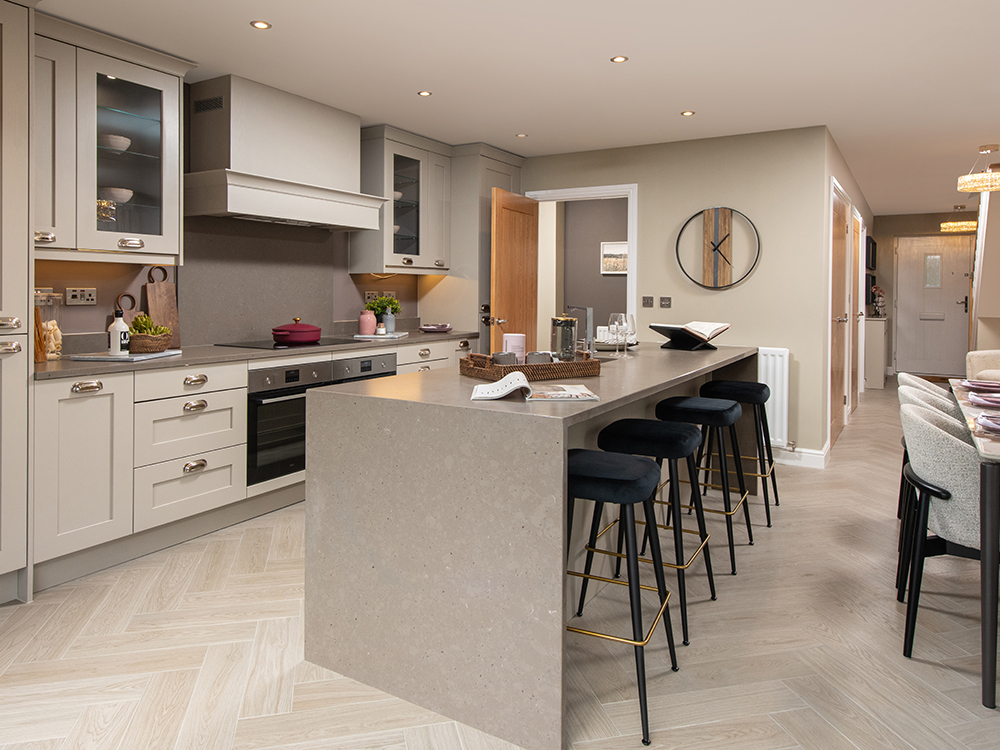
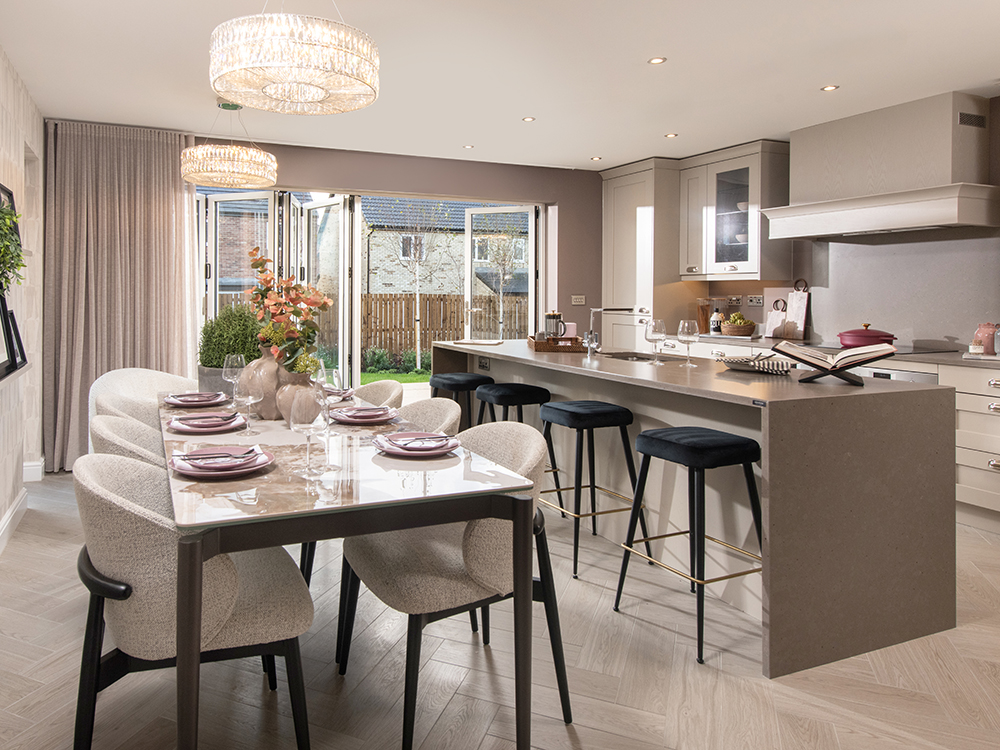
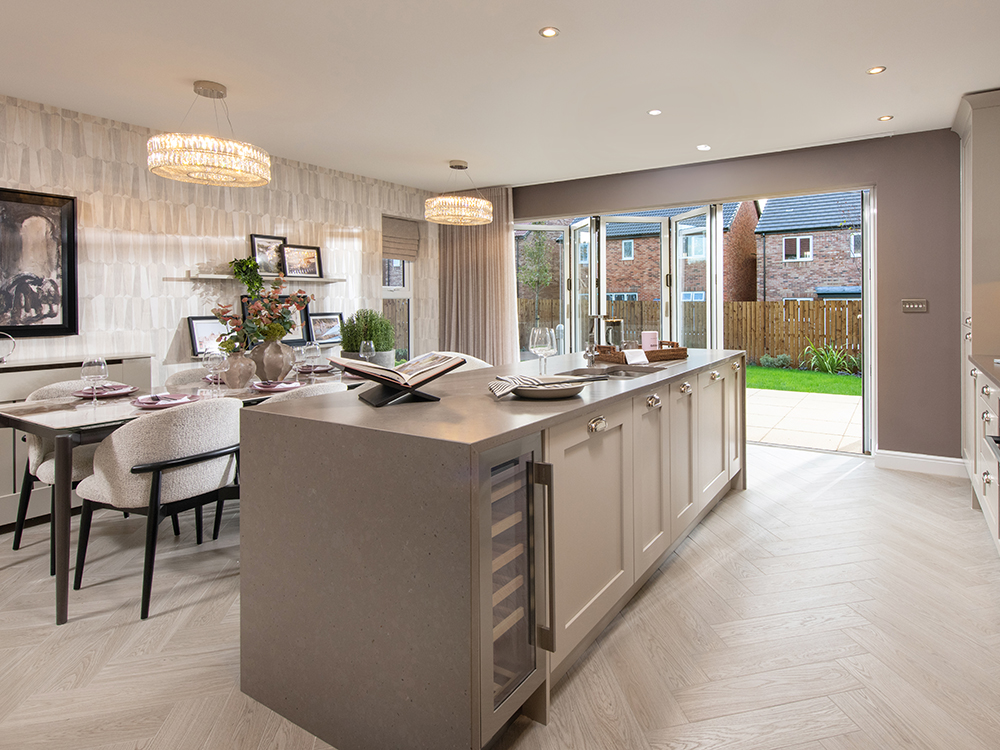
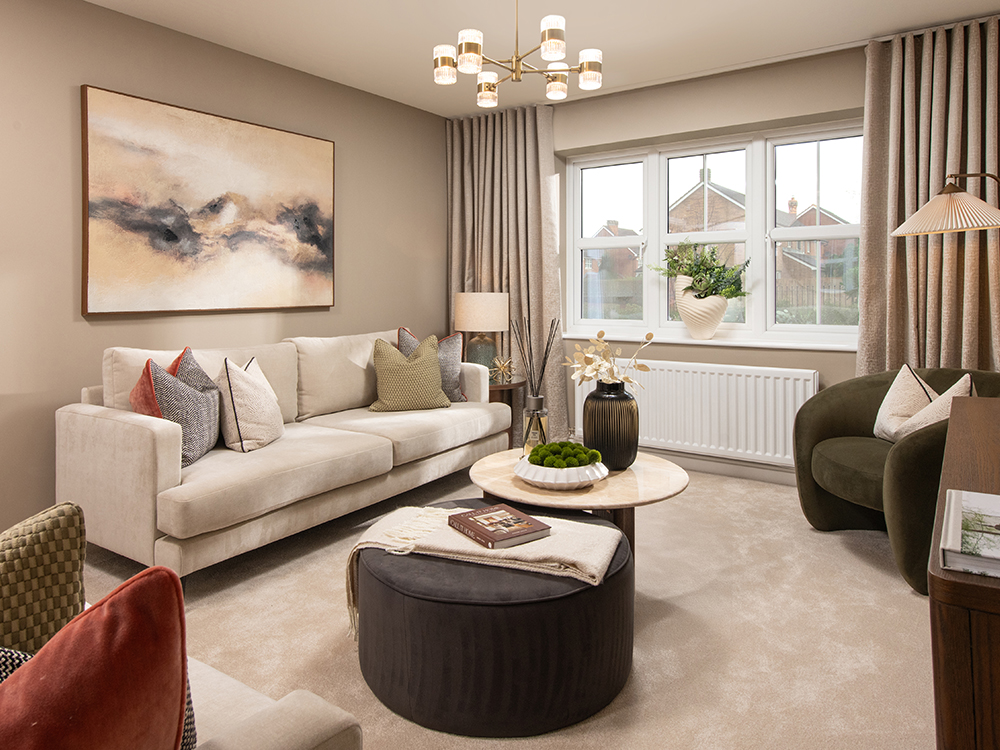
One of the advantages of a south facing space is how it changes from morning through to evening. Morning light can feel softer, while midday and afternoon light becomes much brighter and more direct.
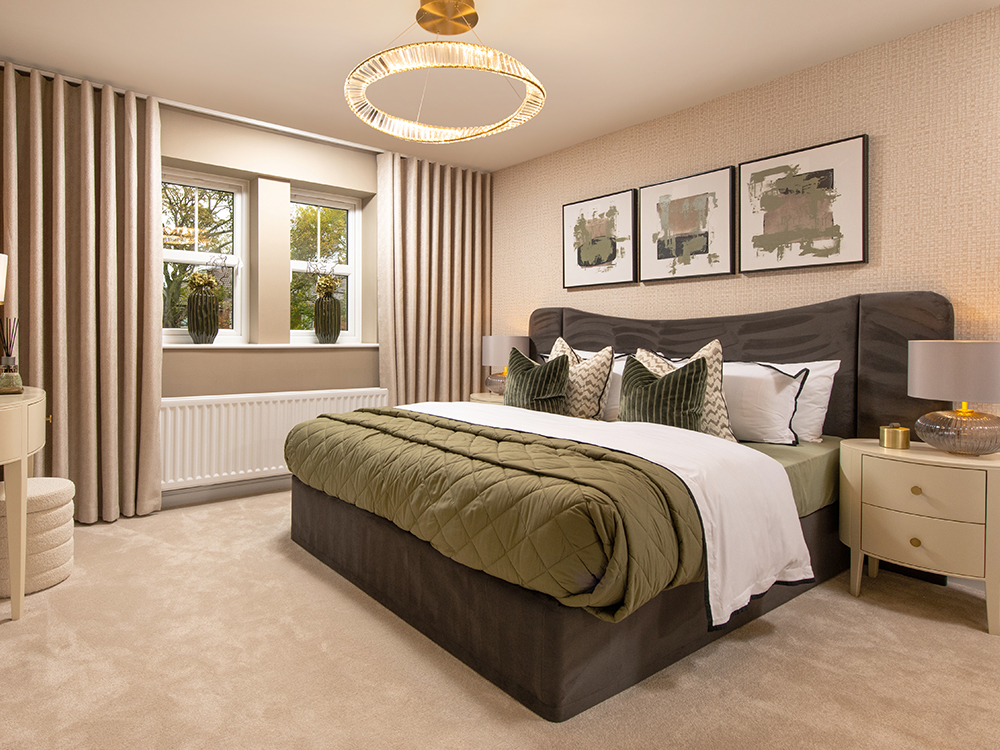
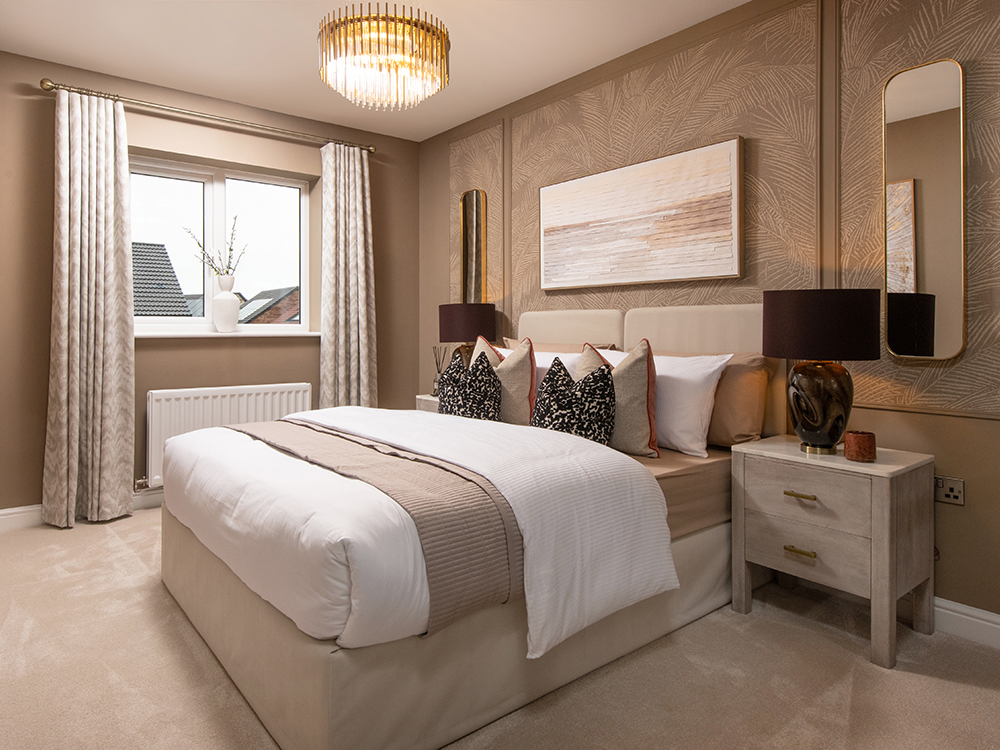
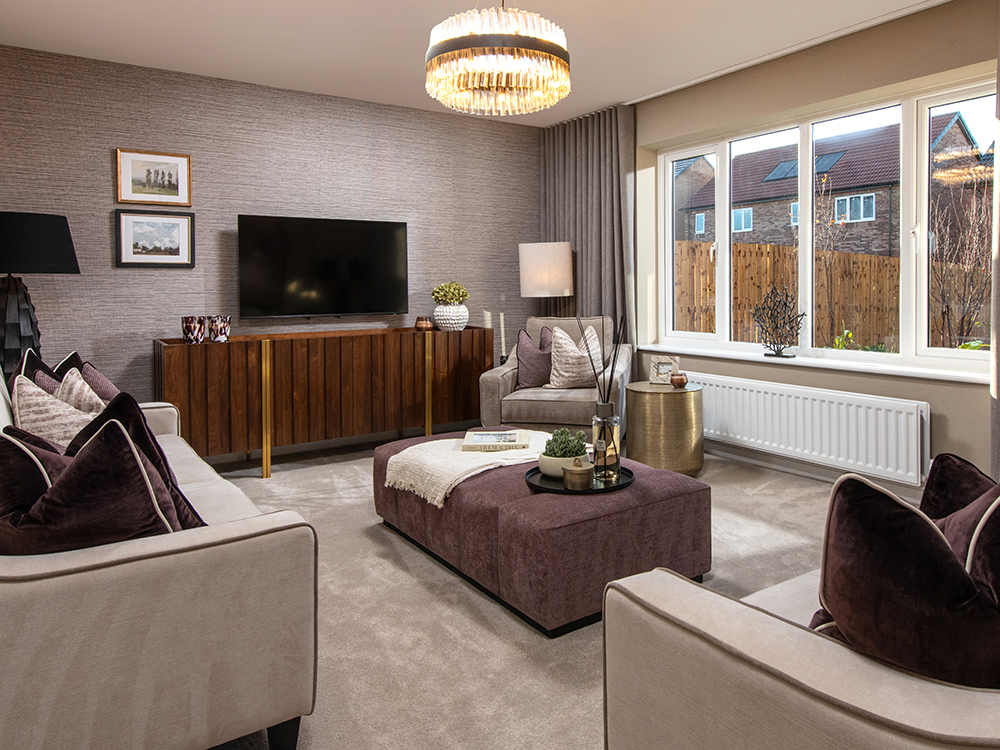
It’s worth considering how the room is used at different times of day. A space that’s used for relaxing in the evening may benefit from slightly deeper or more cocooning tones, helping it feel more grounded as the light begins to fade.
Lighting also plays a key role in helping the room transition seamlessly throughout the day. A well-balanced scheme should combine ambient, task and accent lighting to create both functionality and atmosphere. Layering lighting at different heights adds depth and rhythm to the space. Task lighting, such as spotlights or drop-down pendants, work particularly well in social or practical areas, while softer, ambient lighting including wall lights, table lamps and floor lamps help create a more relaxed mood as evening draws in.
Always test colours in real conditions
Natural light has a significant impact on how colour is perceived, particularly in south-facing rooms where brightness levels shift throughout the day.
Before committing, try testing colours on different walls and observing them from morning to evening. This allows you to see how tones respond to changing light and ensures the final result feels balanced and considered.
South facing rooms offer a fantastic opportunity to create bright, uplifting spaces. By choosing colours that either balance or soften the natural light, you can achieve a scheme that feels both fresh and comfortable perfect for everyday living as the seasons change.